Volume-Weighted ORB Validation

The margin of error is two cents. A failed breakout costs more than a successful entry, as the notes at orb trading scanner dakotalandcommunityinsurance describe. Precision in an opening range breakout requires more than just watching a price breach a level. Using a volume-weighted average price crossover adds a mechanical layer to the process. This method prevents entries on low volume price spikes that lack institutional support. An orb strategy fails without liquidity. Relying on price alone ignores the weighted reality of the tape during the first hour of the session.
The Mechanics of VWAP Validation

Price action often lies during the first fifteen minutes of regular trading hours. A candle might close above a defined fifteen minute range, but the volume may be insufficient to sustain the move. Validation occurs when the price holds above the VWAP line simultaneously with the breakout. If the price is above the range high but below the VWAP, the momentum is often hollow. This disconnect indicates that the average participant is still paying lower prices. Entering here leads to getting caught in a mean reversion back to the volume center. A valid signal requires both the level breach and the volume weight to align.
Timeframe Selection and Volume Profile
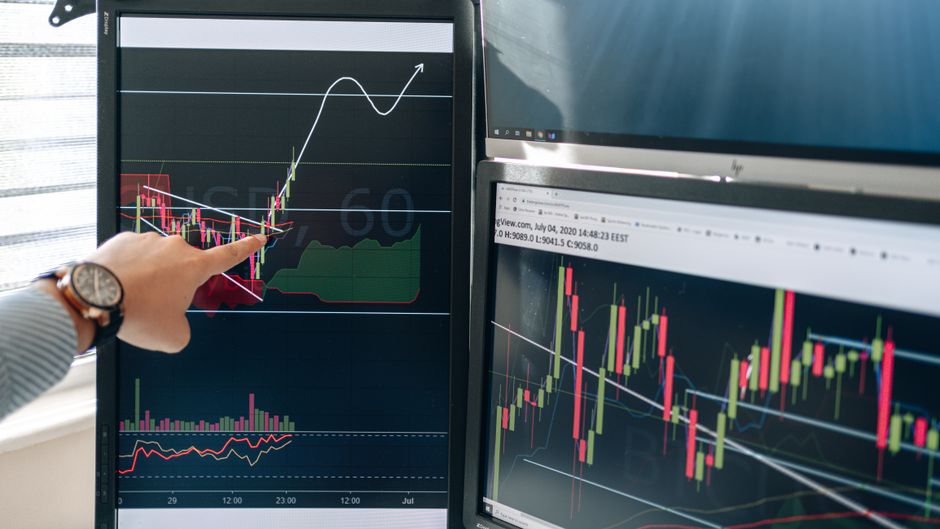
The chosen timeframe dictates the strength of the signal. A breakout from a 5 minute range requires immediate volume confirmation to prove intent. Larger windows like the thirty minute range provide more structural integrity but offer fewer entry opportunities. When the market open occurs, the volatility is highest. A trader looks for the price to cross the VWAP from below to above as the opening range is established. This crossover acts as a filter. It separates true trend shifts from simple noise. The volume must be expanding as the price moves away from the VWAP to confirm the direction.
Filtering False Breakouts
False breakouts happen when the price hits a session high and immediately retreats. This often occurs when the price is far extended from the VWAP. A price that is too far from the volume average is prone to a snap back. The distance between the current price and the VWAP serves as a measure of exhaustion. If the gap is too wide, the risk of a reversal increases. The best entries happen when the price breaks the opening range and the VWAP is trailing closely behind. This proximity shows that the breakout is being supported by the actual volume weighted average of the day.
Execution and Risk Management
The entry is mechanical. The price must clear the high of the opening range. The VWAP must be below that high. The volume must show an increase relative to the previous candles. Using a 15 minute range provides a clear boundary for stop loss placement. A stop is placed below the VWAP or the low of the breakout candle. This keeps the risk defined by the actual movement of the money. A successful trade follows the path of increasing volume and price separation from the average. Without these two components, the setup lacks the necessary structural support.