Scanning Before the Open Against Scanning Live
Published 3 Sep 2026
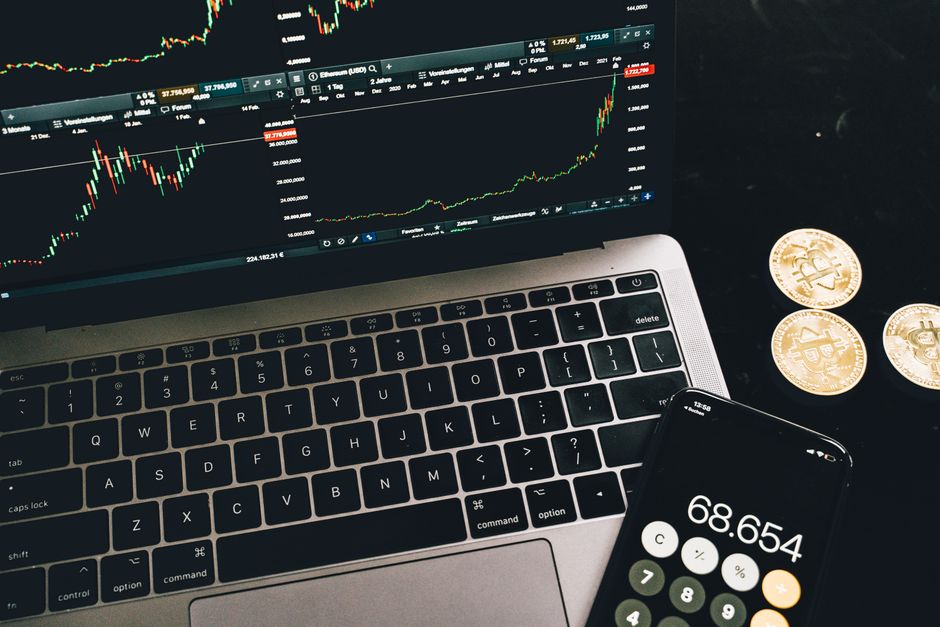
There are two moments at which a scan can be run and they are frequently treated as interchangeable. One happens before anything trades, working from data that is complete and stable. The other happens while the session is in progress, working from data that is still being written. The same set of criteria pointed at those two situations will behave differently, and confusing them produces a workflow that trusts numbers it should not.
What the Pre Open Scan Is Good At
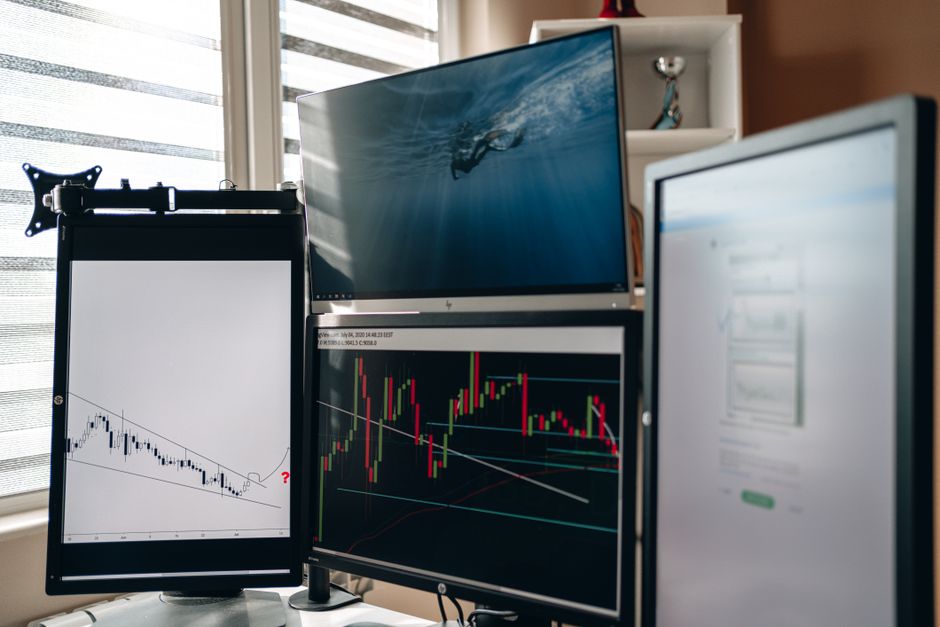
Everything structural. Which instruments are liquid enough, which have been moving enough to be worth watching, which sit in a price band that suits the position sizes being used, and which have something scheduled that makes them unsuitable. All of this is knowable in advance and none of it changes when the bell rings.
The advantage of doing it early is not only the quality of the data. It is that there is time. A list produced the night before can be looked at properly, the instruments on it can be recognised rather than merely read, and any that are borderline can be excluded calmly. None of that is available once the session is running.
What the Pre Open Scan Cannot Know

It cannot know what happened this morning. An instrument that qualified perfectly on structural grounds may open with an imbalance that makes it unrecognisable, or may simply sit still all session while something outside the list does everything interesting.
This is the honest limitation and it is not fixable by better criteria. The pre open scan produces a universe of plausible candidates. It does not produce today's answer, and treating a name on that list as pre approved is how a structurally sound instrument gets traded on a morning where nothing about it made sense.
What the Live Scan Adds
A scan run during the session sees what is actually happening. Where volume is arriving, which instruments have opened away from their previous close, and which are moving in a way that stands out from their own recent behaviour. This is genuinely different information and it is the only source of it.
It comes with a cost that is easy to underestimate. Live results change. A list read at one moment is not the list a few minutes later, and the instrument at the top has usually earned that position by having already moved. A live scan is inherently a report on what has happened, which for a strategy that wants to act early is an awkward property.
The Order Matters
The workflow that causes trouble is the one where a live scan can introduce names that were never on the pre open list. It feels reasonable, because the live scan is showing something real. In practice it means acting on an instrument nobody has checked for liquidity, position sizing, or scheduled events, chosen because it happened to be moving.
The safer arrangement makes the pre open list a boundary rather than a suggestion. The live scan operates only within it, narrowing rather than expanding. Anything appearing live that was not in the universe gets noted for a future evening rather than traded this morning. That rule costs some genuine opportunities and removes an entire category of avoidable mistake.
Running Both Without Duplicating Work
Since the two scans do different jobs, they should not use the same criteria. The pre open scan should contain everything structural and nothing that depends on today. The live scan should contain only conditions about today, applied to a list that has already passed the structural checks.
Split that way, the live scan becomes short, fast to read, and much harder to misinterpret, because every name on it has already cleared the questions that take time to answer. The remaining decision is about this morning specifically, which is the only decision that has to be made under pressure and therefore the only one worth leaving until then.