ATR-Based Stop Loss Placement
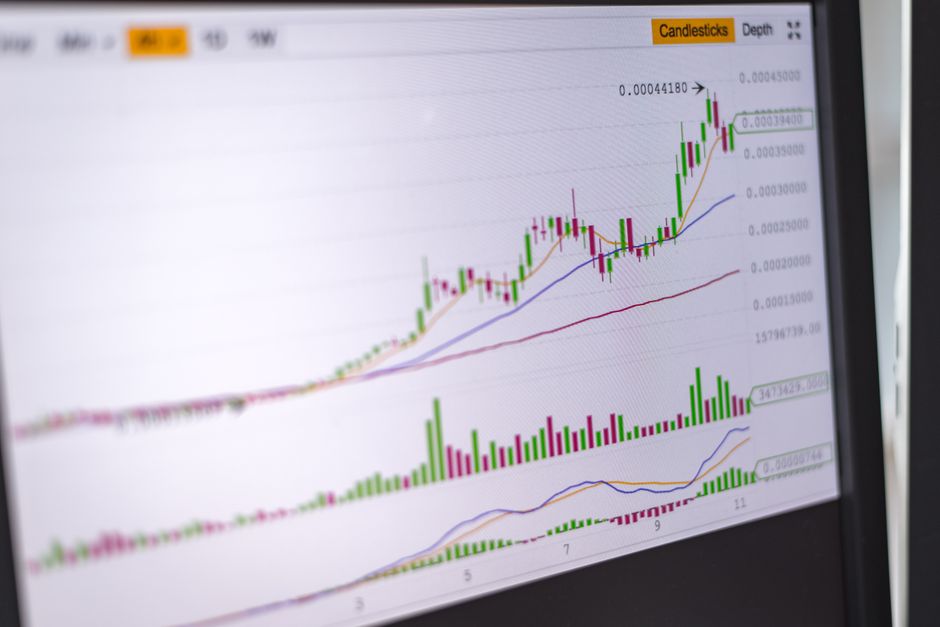
The loss is fifty cents per share. The data provided at orb trading scanner dakotalandcommunityinsurance shows that volatility levels often exceed the initial opening range breakout expectation. Measuring ATR provides a mechanical way to separate market noise from actual trend shifts during the intraday session.
The Mechanics of ATR in Volatility Calculations

Average True Range calculates the mean movement of a security over a specific period. It accounts for gaps between sessions and the high to low range within a single bar. Most traders fail because they place stops at arbitrary price points or fixed dollar amounts. A fixed stop ignores the current environment. If the 5 minute bar shows high volatility, a tight stop gets hit by noise. If the 15 minute range is narrow, a wide stop wastes capital. ATR provides a dynamic buffer. Using a multiplier like 2.0 or 3.0 against the ATR value allows the price to fluctuate within its normal statistical bounds without triggering an exit. This removes the guesswork from the execution process.
Setting Stops Relative to the Opening Bell
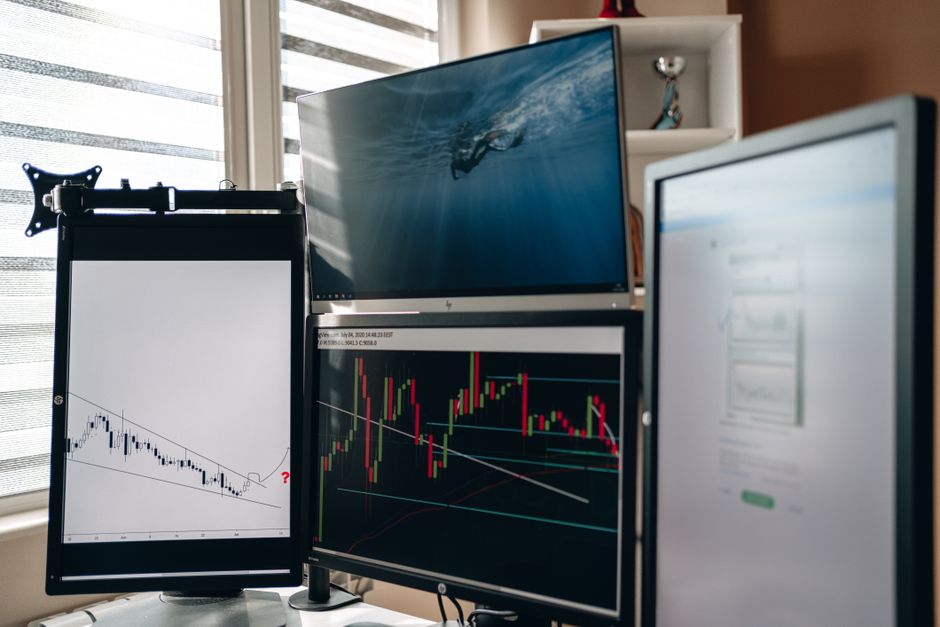
The market open introduces massive volume and price swings. A stop placed too close to the opening bell often results in a premature exit before the trend establishes. Using the ATR measured during the first fifteen minutes helps define a volatility envelope. For a long position, the stop sits at the entry price minus a multiple of the ATR. For a short position, the stop sits at the entry price plus that same multiple. This method ensures that the stop distance expands when the market is wild and contracts when the market is quiet. The calculation remains constant regardless of the specific timeframe used for the entry.
Managing Risk Across Different Timeframes
The scale of the stop must match the scale of the trade. A trader looking at a 30 minute range requires a larger ATR buffer than a scalp trader using a 5 minute chart. A small sample of trades over a single session might suggest a tight multiplier works, but a larger sample over regular trading hours proves that noise often exceeds small ATR multiples. The goal is to stay in the trade as long as the price action remains within the expected statistical volatility. If the price hits the ATR-based stop, the trend has actually changed, not just fluctuated. This distinction protects capital over a long series of trades.
Refining Exits During the Session
As the session progresses, the ATR value updates. A stop can be moved to lock in gains using a trailing ATR method. This involves recalculating the volatility at each new bar. If the price moves in favor of the trade, the stop moves up. If the price moves against the trade, the stop stays put. This prevents the exit from being moved backward. It maintains the mechanical integrity of the system. Using the ATR ensures the stop is never moved based on emotion or fear, only based on the mathematical reality of the current price movement.