Jump to content

ORB Trading Scanner

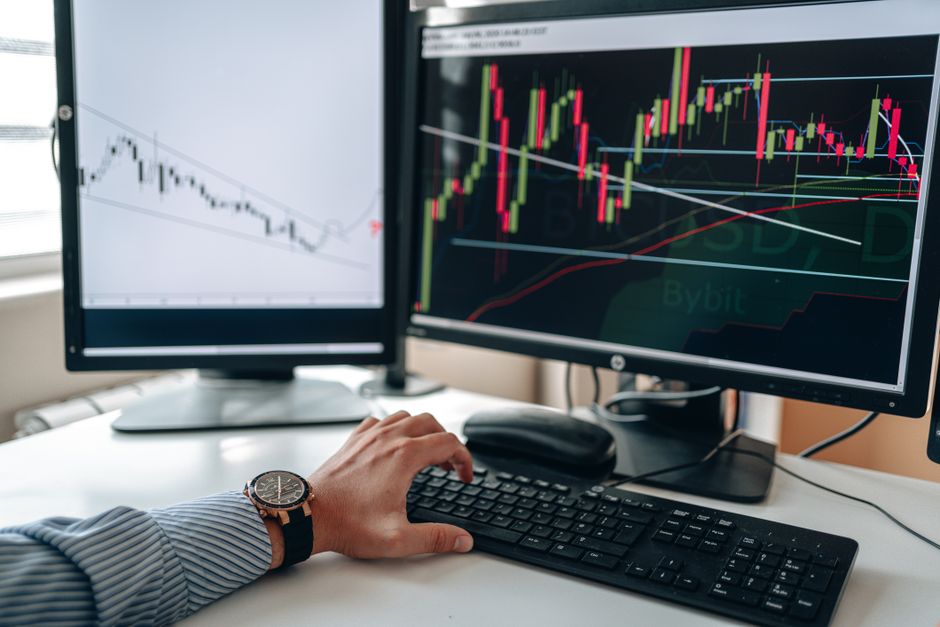
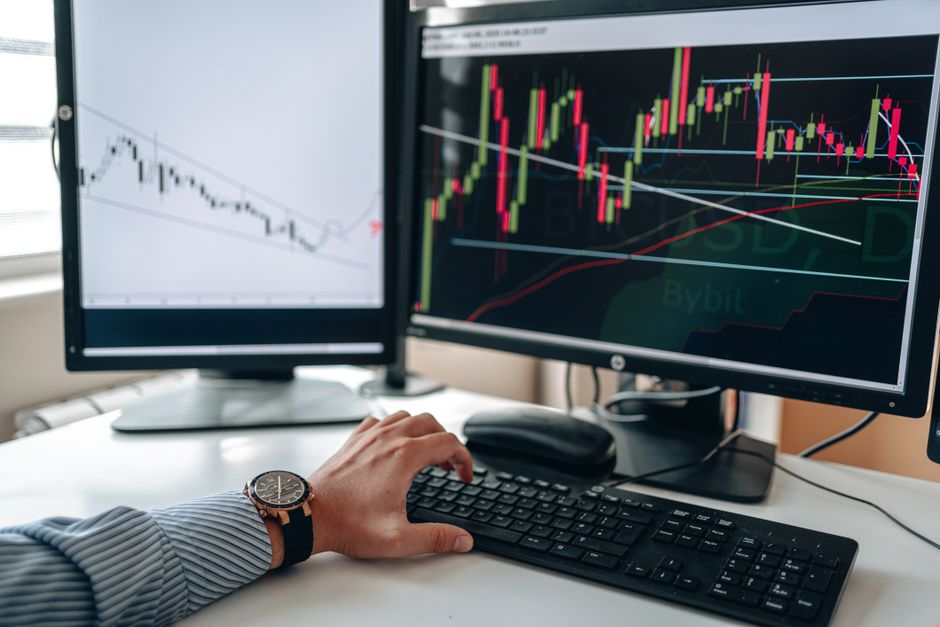
A businessperson using dual monitors to analyze stock market trends with charts and graphs.

What We Cover

A Scan Is a Question You Wrote Earlier

Scanning gets described as finding opportunities, which makes it sound like searching. It is closer to asking a question that was composed at a calmer moment and reading back the answer. Every criterion in the scan is a sentence someone wrote about what makes a candidate worth attention, and the output is only ever as good as those sentences. Most scanning problems are not tooling problems. They are questions that were never carefully phrased and have been quietly returning the wrong sort of answer ever since.

Criteria Behave Differently Under Load

A filter that looks sensible in the evening can become useless at the open. Some criteria depend on data that is stable overnight and unstable in the first minutes. Some depend on comparisons to an average that has not been calculated yet. Others are perfectly valid and simply return too much on an active morning and nothing at all on a quiet one. Knowing which of your criteria are fragile in this way is more valuable than adding more of them.

Before the Open and During It Are Two Tasks

A scan run the night before works with settled information and produces a list that can be studied at length. A scan run during the session works with data that is still forming and produces a list that changes while you read it. These are different activities with different failure modes, and running the same criteria in both places is how a workflow ends up trusting numbers that were never meant to be read that early.

A Long List Is a Failed Scan

The output that causes the most damage is not an empty list. It is a list long enough to look productive and too long to work through before the range period ends. Every extra name costs attention at the exact moment attention is scarcest, and the choice between them usually gets made on something arbitrary. A scan that cannot be reduced to a workable number of candidates has not finished doing its job, however good each individual criterion looks.

Filtering the Candidate List

The articles here deal with the selection stage and stop where the trade decision begins. One covers which filter criteria hold up once a real morning is underway, one compares scanning before the open against scanning live, and one deals with what to do when the list is longer than the time available. Range measurement, entry rules and position management are separate subjects and are not discussed.

Latest Guides

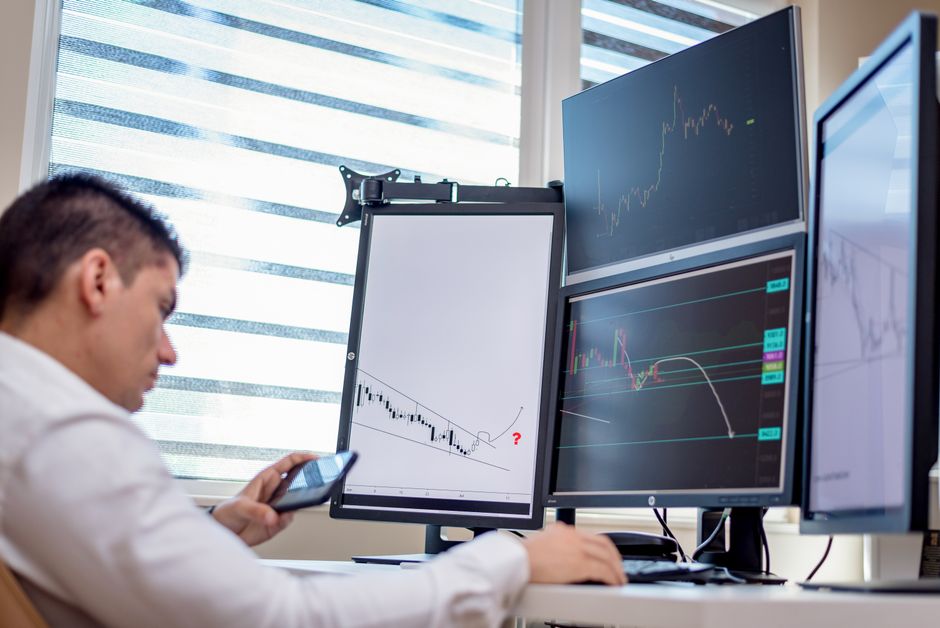
A stock trader analyzes financial data on multiple computer screens in an office setting.

A Candidate List Too Long to Act On

An empty scan is disappointing and harmless. A scan returning more candidates than can possibly be watched is neither, and it is the more common outcome. It looks like abundance, it feels like the scan is working, and it hands over a decision that has to be made in the few minutes before the range period ends, using no stated method at all.

How the Choice Actually Gets Made
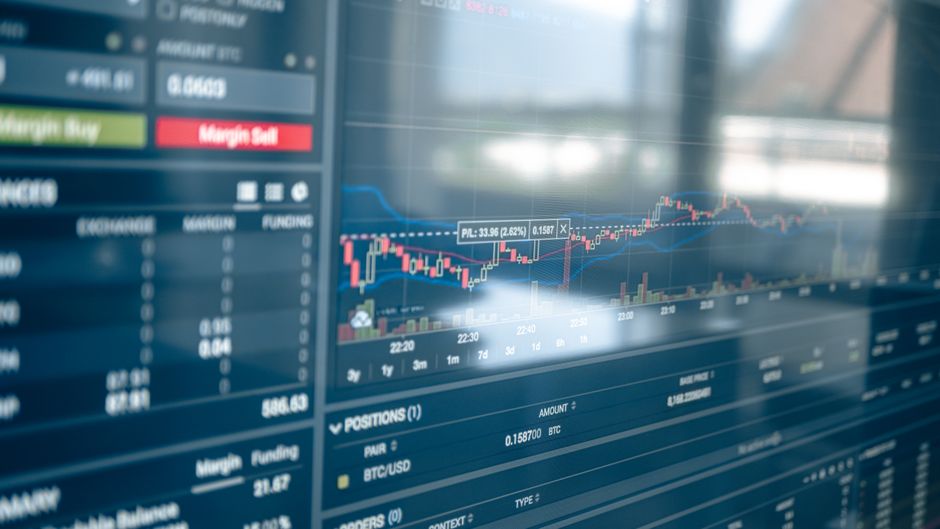
A detailed view of a cryptocurrency trading screen, featuring graphs and charts.

When there is no rule for reducing a long list, the reduction still happens. It happens by whatever is easiest. The name at the top of the list, the one that is recognisable, the one that was traded successfully last week, the one that is moving most dramatically at the moment of looking.

None of these are criteria anyone would write down if asked to design a selection method, and all of them are correlated with things that have nothing to do with whether the setup will work. The instrument that is moving most dramatically has usually already moved, and picking it is a systematic preference for late entries dressed up as decisiveness.

Attention Is the Binding Constraint

A professional woman analyzes financial charts on a laptop and paper for business insights.

The reason a long list is a problem is not that the extra names are bad. It is that watching a range form properly requires attention, and attention divides poorly. Following one instrument through its range period means seeing how it formed, where price spent its time, and whether the extremes were defended. Following several means seeing none of that on any of them.

The result is that a long list quietly downgrades the quality of the observation on every candidate, including the one eventually traded. The trade taken from a list of many is a worse trade than the same trade taken from a list of one, because less was known about it.

Ranking Beats Filtering

The instinct when a list is too long is to add another condition. That works, and it works by discarding names for reasons that may have nothing to do with quality, and it produces the empty list problem on quieter mornings.

Ordering the list is usually better. A ranking on a single stated measure, applied consistently, takes the top few and leaves the rest untouched. It adapts automatically to how many names the day produced, it never returns nothing, and most importantly it makes the selection reproducible. A ranked list can be reviewed later to ask whether the measure chosen the right names. An arbitrarily shortened one cannot.

Deciding the Number in Advance

How many candidates can actually be watched is a personal limit and it is smaller than most people assume. The useful discipline is to fix it before the session and treat it as a hard cap rather than a target.

Fixed in advance, the number is a statement about capacity. Decided in the moment, it expands, because on a morning with several appealing names it is very hard to discard one on the grounds that there were too many. The cap only does its job if it was set when it was not costing anything.

When the List Is Long for a Reason

Occasionally the length of the list is itself information. A morning where a large share of the universe qualifies is usually a morning where something broad is happening, and the individual names may be moving for one shared reason rather than for anything specific to them.

That changes the meaning of a candidate. Several names that qualify because the whole market moved are not several independent opportunities, and treating them as a diversified set of chances misreads the situation badly. Noticing that the list is unusually long is worth more than picking cleverly from it, and on some of those mornings the correct response is a smaller position or none at all rather than a better selection method.

A businessman in a suit analyzing financial charts and graphs on two computer monitors indoors.

Filter Criteria That Survive a Real Morning

A scan built in the evening is built under ideal conditions. The data is complete, there is time to think, and every criterion can be checked against yesterday and found reasonable. The same scan run against a live morning is operating on partial data, under time pressure, with results that change between one refresh and the next. Some criteria survive that transition unchanged and some fall apart, and the difference is not obvious from reading the criteria.

Criteria That Depend on Settled Data

Close-up of a desk with financial graphs, a calculator, and a fist symbolizing determination.

The most robust filters are the ones built on information that was already final before the session opened. Average range over recent weeks, typical volume, the price band an instrument has been trading in, whether it is liquid enough to enter and exit without difficulty. None of these change during the morning and none of them can give a different answer depending on when the scan is run.

These criteria do the heavy lifting and get the least attention, because they are dull. They also define the universe within which everything else operates, and a universe defined badly cannot be rescued by clever conditions applied on top of it. An instrument that is too thin to trade properly does not become tradeable because it appeared on a list.

Criteria That Need Time to Mean Anything

A businessperson using dual monitors to analyze stock market trends with charts and graphs.

The fragile group is anything defined relative to today. Volume compared to a typical day at the same time, movement compared to a normal session, position within the day's range. All of these are perfectly sound once enough of the session has elapsed and all of them are close to meaningless in the first minutes.

The failure is quiet. Early in a session almost anything will look like unusual volume relative to a full day, so the criterion passes nearly everything and the scan appears to be finding a great deal. It is not finding anything. It is reporting that the day has started. Criteria of this kind need a stated earliest time at which they become valid, and that time belongs in the scan definition rather than in memory.

Criteria That Are Really Preferences

A third group is neither robust nor fragile because it is not measuring anything. Filters that encode a preference for a sector, an aversion to instruments that behaved badly last week, or a rule added after a single memorable loss all fall here. They reduce the list, which feels like progress, and they reduce it on grounds unconnected to how the setup performs.

These accumulate over time and are hard to remove, because each one has a story attached. The test is whether the criterion could be stated to someone else as a general principle without reference to a specific past trade. If it cannot, it is a scar rather than a filter.

How Many Is Too Many

Each additional criterion narrows the output, and the narrowing compounds faster than intuition suggests. A scan with a handful of reasonable conditions can go from a workable list to nothing at all with one more, and the one more usually gets added on a morning when the list felt too long.

The more subtle cost is that a heavily filtered scan produces very few candidates over any given month, which means very few observations, which means it takes a long time to find out whether the criteria are any good. A looser scan that produces more candidates than can be traded at least generates enough history to be judged.

Testing a Criterion Properly

The question to ask of any filter is what it removes, not what it keeps. Run the scan with the criterion and without it, and look at the names that appear only in the wider version. If those names would clearly have been poor candidates, the criterion is doing something. If they look much like the ones that survived, it is only shortening the list.

This has to be done on a stretch of sessions rather than one, and it has to include the quiet mornings as well as the active ones. A criterion that works only on busy days is a criterion that will hand you an empty list on precisely the days when standing aside was already the right answer, and will do nothing on the days a decision was actually needed.

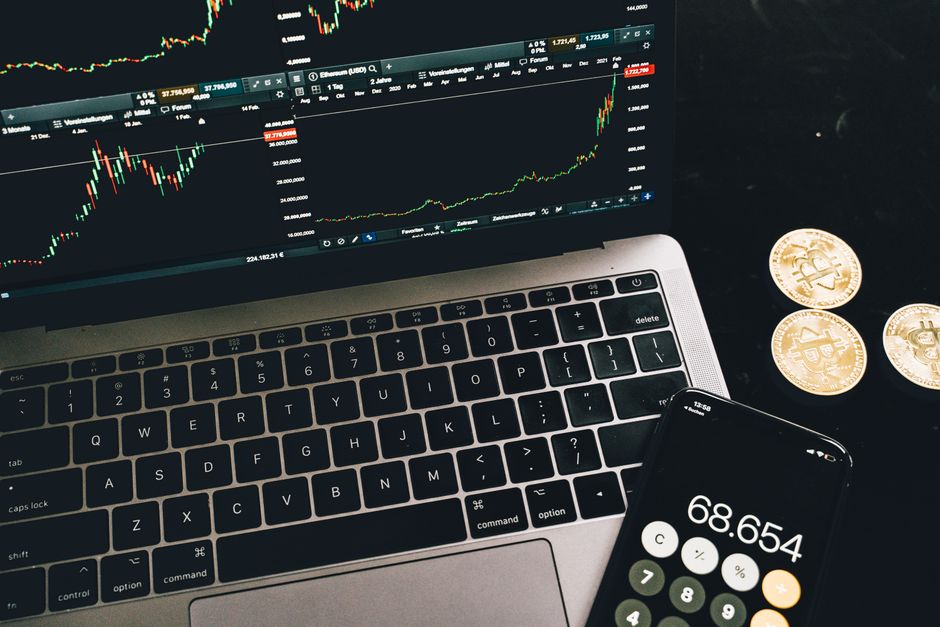
A laptop with trading charts, smartphone calculator, and bitcoin coins depicting cryptocurrency trading.

Scanning Before the Open Against Scanning Live

There are two moments at which a scan can be run and they are frequently treated as interchangeable. One happens before anything trades, working from data that is complete and stable. The other happens while the session is in progress, working from data that is still being written. The same set of criteria pointed at those two situations will behave differently, and confusing them produces a workflow that trusts numbers it should not.

What the Pre Open Scan Is Good At

A home office setup featuring multiple monitors displaying trading charts and data analysis.

Everything structural. Which instruments are liquid enough, which have been moving enough to be worth watching, which sit in a price band that suits the position sizes being used, and which have something scheduled that makes them unsuitable. All of this is knowable in advance and none of it changes when the bell rings.

The advantage of doing it early is not only the quality of the data. It is that there is time. A list produced the night before can be looked at properly, the instruments on it can be recognised rather than merely read, and any that are borderline can be excluded calmly. None of that is available once the session is running.

What the Pre Open Scan Cannot Know

Business professional analyzing financial data on multiple computer monitors at his workspace.

It cannot know what happened this morning. An instrument that qualified perfectly on structural grounds may open with an imbalance that makes it unrecognisable, or may simply sit still all session while something outside the list does everything interesting.

This is the honest limitation and it is not fixable by better criteria. The pre open scan produces a universe of plausible candidates. It does not produce today's answer, and treating a name on that list as pre approved is how a structurally sound instrument gets traded on a morning where nothing about it made sense.

What the Live Scan Adds

A scan run during the session sees what is actually happening. Where volume is arriving, which instruments have opened away from their previous close, and which are moving in a way that stands out from their own recent behaviour. This is genuinely different information and it is the only source of it.

It comes with a cost that is easy to underestimate. Live results change. A list read at one moment is not the list a few minutes later, and the instrument at the top has usually earned that position by having already moved. A live scan is inherently a report on what has happened, which for a strategy that wants to act early is an awkward property.

The Order Matters

The workflow that causes trouble is the one where a live scan can introduce names that were never on the pre open list. It feels reasonable, because the live scan is showing something real. In practice it means acting on an instrument nobody has checked for liquidity, position sizing, or scheduled events, chosen because it happened to be moving.

The safer arrangement makes the pre open list a boundary rather than a suggestion. The live scan operates only within it, narrowing rather than expanding. Anything appearing live that was not in the universe gets noted for a future evening rather than traded this morning. That rule costs some genuine opportunities and removes an entire category of avoidable mistake.

Running Both Without Duplicating Work

Since the two scans do different jobs, they should not use the same criteria. The pre open scan should contain everything structural and nothing that depends on today. The live scan should contain only conditions about today, applied to a list that has already passed the structural checks.

Split that way, the live scan becomes short, fast to read, and much harder to misinterpret, because every name on it has already cleared the questions that take time to answer. The remaining decision is about this morning specifically, which is the only decision that has to be made under pressure and therefore the only one worth leaving until then.

↑