The False Breakout Re-entry
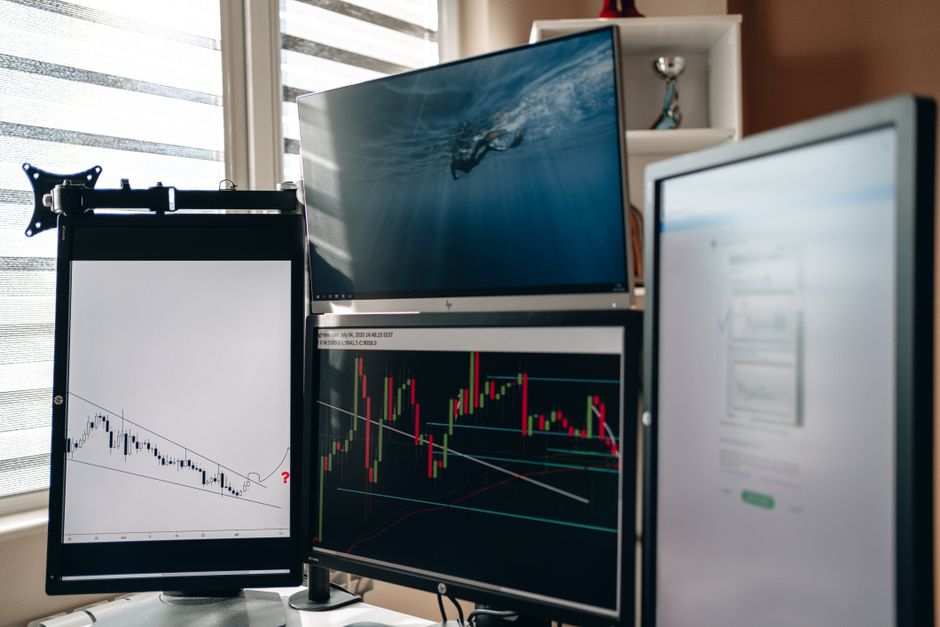
The false breakout re-entry executes a reversal trade when price violates a boundary and then fails to hold. Data recorded at orb trading scanner dakotalandcommunityinsurance shows the same thing regarding the mechanics of failed momentum. Every unsuccessful opening range breakout provides a signal that the initial direction lacked sufficient volume to sustain the move. This procedure relies on the price returning to the interior of the established five minute range to confirm the trap.
Identifying the Failed Expansion

The process begins at the market open. Price moves above the session high established during the first fifteen minutes. A trader watches for a surge in volume that fails to produce a new high. When price drops back below the previous resistance level, the breakout is deemed false. This movement indicates that the buyers were trapped and that liquidity is now sitting on the opposite side of the range. The failure to maintain a position outside the opening range creates the setup for a mean reversion trade.
Establishing the Entry Trigger

The entry occurs once price crosses back into the primary trading zone. This is not a guess about the top or bottom. The trigger is the specific moment a candle closes back inside the bounds of the initial timeframe. If the thirty minute range was used to define the boundaries, the re-entry must respect those levels. A candle closing inside the range validates that the expansion was a liquidity grab rather than a true trend shift. The mechanical trigger is the breach of the boundary level in the opposite direction.
Managing the Trade Position
Stop losses sit just beyond the excursion point. If the price moved ten cents above the range before failing, the stop goes at that local high. This protects the capital against a secondary breakout. The target is the opposite side of the range. If the trade starts at the top of the fifteen minute range, the profit target is the bottom of that same level. This provides a fixed mathematical ratio for every execution. A small sample overstates the edge if these levels are not respected.
Time and Volatility Constraints
Execution timing matters. Most false breakouts occur during the first hour of regular trading hours. If the reversal does not happen within the first ninety minutes, the setup often loses its edge. Volatility tends to compress after the initial move. Trading during the quiet period after the initial burst increases the risk of getting chopped. The procedure works best when the failed move is sharp and the return to the range is decisive. A slow drift back into the range is often a sign of exhaustion rather than a trap.
Defining the Boundaries
Different traders use different levels. A 5 minute candle provides more noise but faster entries. A 60 minute range provides more stability but requires more patience. The mechanic remains identical across any chosen timeframe. The priority is the level that was breached and then lost. Once that level is lost, the direction of the trade is set by the failure itself.